

Aquatic invasive species (AIS) prevention
Prince Albert National Park
All watercraft must have a mandatory aquatic invasive species (AIS) watercraft certification permit before entering Prince Albert National Park waters to help stop the spread of AIS.
Aquatic invasive species (AIS) threaten freshwater ecosystems. Parks Canada needs your help to protect park waterways.
AIS are non-native plants, animals, invertebrates and diseases introduced to ecosystems either accidently or intentionally by human activity. AIS reproduce fast, rarely have natural predators and often out-compete native freshwater species. Once established, AIS are difficult, even impossible, to get rid of.
People spread AIS when they transfer mud, water, or live or dead organisms between water bodies during activities such as boating, canoeing, kayaking, stand up paddleboarding and fishing.
Help prevent the spread of aquatic invasive species
It is illegal to possess, transport, or release AIS in Saskatchewan. Before and during your visit to Prince Albert National Park, be sure to:
- Clean, drain, dry your gear – make it a habit every time you use your watercraft or water-related gear.
- Pull the plug on your boat every time your watercraft moves between waterbodies.
When you arrive, you must get a mandatory AIS watercraft certification permit and display a valid watercraft certification sticker before entering park waters.
For more information about AIS rules and regulations:
- Prince Albert National Park
- Federal Aquatic Invasive Species Regulations
- Saskatchewan Aquatic Invasive Species Prevention Program
Report aquatic invasive species sightings
Take a picture, note the location, and report it to Parks Canada immediately at:
panpAIS-EAEpnap@pc.gc.ca or call Parks Canada Dispatch 1-877-852-3100.
Sightings outside of the national park can be reported online to the Saskatchewan Turn in Poachers and Polluters (TIPP) line or call 1-800-667-7561.
Clean Drain Dry
Many AIS can survive in small amounts of water, mud or moist conditions for a long time. Some species are also undetectable to the naked eye. Following Clean Drain Dry guidelines is the most effective way to prevent the spread of AIS.

Clean
Inspect and clean all mud, sand, plant and animal materials from your watercraft, trailer and water-related gear. Rinse, scrub or wash thoroughly.

Drain
Drain all water from your watercraft and water-related gear. This includes bilges, livewells, buckets and other items or compartments that may hold water. Pull the plug on your boat every time your watercraft moves between waterbodies.

Dry
Dry all parts of your watercraft, trailer and water-related gear between trips. Leave compartments open and gear in the sun until dry. Use paper towel, rags or soft cloth to speed up the process.
How to: Clean, Drain, and Dry | Parks Canada
Transcript
[This video has no spoken language. Text appears on screen throughout the video.]
[Sounds of water and calm guitar music throughout the video.]
[Two people paddling a canoe; Parks Canada beaver logo appears.]
Text: Exploring Parks Canada’s lakes, streams and rivers is a popular way to see the national parks.
[Aerial view of large blue lake.]
Text: Yet these water bodies are vulnerable to aquatic invasive species.
[Two people paddling a canoe, paddleboarder behind them, on a lake.]
Text: These invaders can hitch a ride on watercraft like kayaks, inflatables and SUPs.
[Canoers and paddleboarder arrive to shore.]
[Images shown of zebra mussels and shelled invasive species.]
Text: Aquatic invasive species, once established, irreversibly damage ecosystems and harm species at risk.
[Canoers and paddleboarder arrive on shore.]
[The words “CLEAN DRAIN DRY” are written in mud on the back of a canoe. Water is slowly poured overtop and washes it away.]
[Canoers pull canoe onto shore.]
Text: Clean, Drain, Dry your watercraft and gear BEFORE and AFTER entering the water.
Large title on screen: Step 1: Clean
[Two people clean a canoe. A jug scoops water from a lake.]
[View from inside a canoe; water is poured onto the side of a canoe while a cloth wipes it down.]
Text: Clean all debris from your watercraft and water-related gear BEFORE and AFTER your trip.
[A paddleboard is wiped down with water and a cloth.]
[Two people pour water and wipe down the backside of a paddleboard.]
Large title on screen: Step 2: Drain
[Two people tip a canoe onto its side; water is emptied from a canoe on its side.]
Text: Drain coolers, buckets, compartments and other items that may hold water on land before leaving the waterbody.
[A paddle is pulled apart and emptied of water.]
Text: Some aquatic invasive species can survive in pools of water for 30 days.
[Two people stand a paddleboard up against a tree.]
Large title on screen: Step 3: Dry
[Two people wipe down the backside of a paddleboard. A close-up shows a hand wiping down a paddleboard with a cloth.]
Text: Use a clean towel to wipe down the entire watercraft. Set aside to dry.
[Two people wipe down a paddleboard with cloths.]
Text: Ensure items are completely dry before entering a new lake, stream or river.
[A close up of a paddleboard with water on it.]
[Two people walking through a forest, one person holding a paddleboard and another with PFD.]
[A person rolls a deflated paddleboard and wipes it down with a cloth as they roll it.]
[Two people pack a paddleboard into a bag.]
[A lake with two people paddling a canoe, and two people standing on paddleboards.]
Text: Sustainable aquatic ecosystems are vital to the overall health of Canada’s lakes, streams and rivers.
Text: Do your part to protect park waters: Clean, Drain, Dry.
[Logo] Parks Canada, Parcs Canada.
[Logo] Canada
Why prevention matters
There is currently no evidence of AIS in Prince Albert National Park. However, AIS continue to spread across Canada and pose a serious risk to the park’s lakes and rivers. Learn more about the AIS profiles and the species of concern for Saskatchewan.
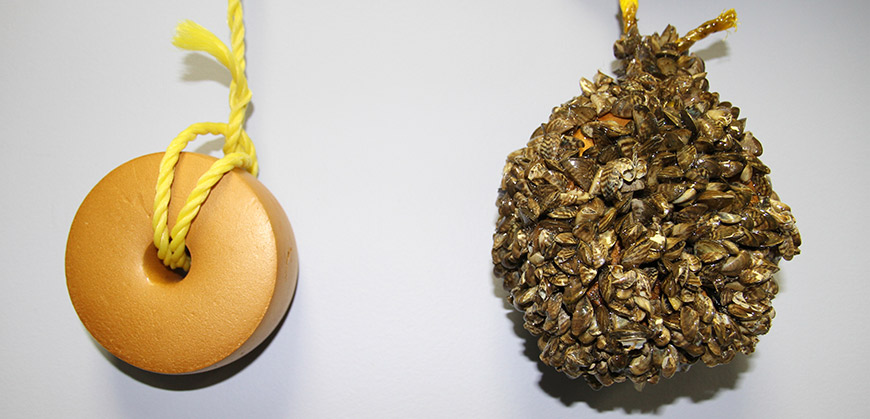
The main species of concern in PANP is zebra mussels. Once established, zebra mussels may never go away. A map of the spread of zebra mussels in the U.S. and Canada.
The spread of AIS can have serious consequences, including:
- Damage critical infrastructure
- Impact lake, beach, boating and fishing experiences
- Harm aquatic ecosystems and biodiversity
- Threaten species at risk
Prince Albert National Park waters support wildlife, culturally important species and valued recreational experiences. If AIS establish in a waterbody, they can spread quickly, evade early detection, and cause irreversible damage to lake and river ecosystems that may last for generations.
Prevention is the most effective and cost-efficient way to manage AIS. Taking simple prevention steps, such as Clean, Drain, Dry, and following park regulations, helps protect park waters from the spread of AIS.
What is Parks Canada doing
Preventing the spread of AIS is a shared responsibility. Prince Albert National Park works with the Government of Saskatchewan and other local water agencies to detect and prevent the spread of AIS through:
- Seasonal monitoring and water sampling
- Annual dock, rope and buoy inspections
- High-risk watercraft inspection and decontamination
- Public education
- Regulations
The Prince Albert National Park AIS prevention program is an additional line of defence, supporting the Province of Saskatchewan’s mandatory roadside inspection program.
Next steps
Parks Canada is developing a long-term AIS prevention plan with input from Indigenous partners and rights holders, local community groups and regional stakeholders. The plan will take an evidence-based and adaptive approach that protects aquatic ecosystems while supporting meaningful park experiences. The program is evolving. Parks Canada expects to begin implementing the long-term prevention plan in 2027. These changes will be phased in over several years to ensure they are coordinated, effective and sustainable. More information will be shared as the plan is finalized.
- Date modified :