

Ten rules for a responsible visit
Free admission and discounted overnight stays
The Canada Strong Pass is back! Enjoy free admission and 25% off camping and overnight stays with Parks Canada from June 19 to September 7, 2026.
Find out the essential do’s and don’ts for visiting a national park or historic site. These 10 golden rules cover all you need to know: trail safety, camping etiquette, how to behave around wildlife, responsible pet management, and how to be a respectful visitor.
By knowing what’s expected of you, you help preserve these remarkable places, while also ensuring your own safety and enjoyment.
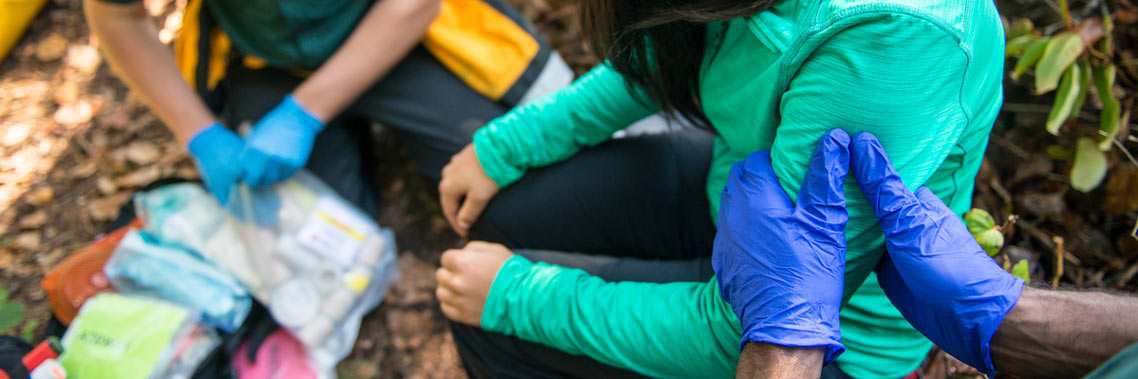
1. Know your limits
Approximately 700 to 800 people need search and rescue services in Canada’s national parks every year. Don’t be a statistic!
- Do: prepare for your hike
- Choose activities that match your skill and experience levels to avoid injuries and getting lost
- Know how to prepare for a hike by checking the weather, trail conditions, and what to do in an emergency
- Be familiar with the trails you will be exploring. Get inspired by the best hikes at Parks Canada, where length, time and level of difficulty are clearly indicated
- Don’t: overestimate your abilities
- Whether you’re planning a leisurely hike or a backcountry adventure, check the latest trail conditions
- Wear and bring the proper equipment, and know how to use it
- Review the safety tips and guidelines that apply to your trip
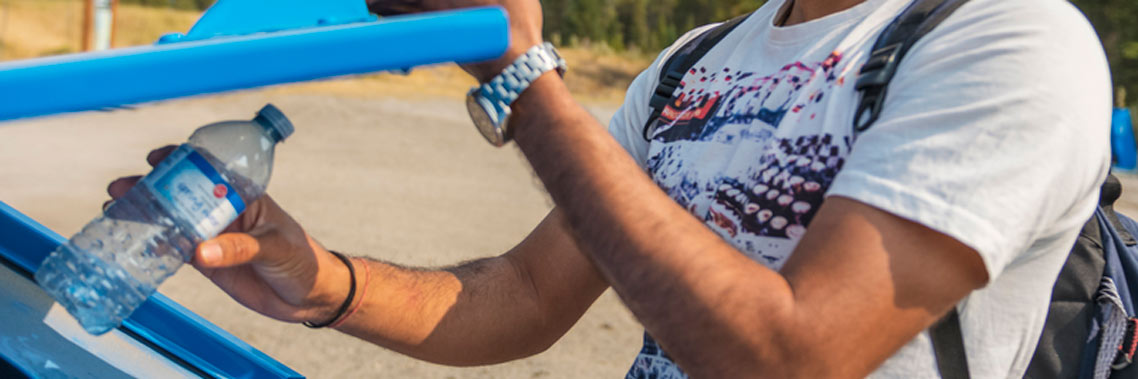
2. Dispose of garbage properly
When spending time in nature, if you pack it in, pack it out. It’s the law!
- Do: leave nothing behind
- Put all of your garbage and recyclables into designated bins. Good times in the great outdoors are safer and more rewarding when you Leave No Trace of your visit
- Don’t: discard your garbage anywhere other than a designated bin
- All littering is against the law, no matter how recyclable or compostable it may be
- Wildlife is attracted to the smell of food and items that retain odours like garbage, cookware, coolers and toiletries

3. Keep your pet on a leash at all times
Your sweet pet can be a predator and destroy nests in the blink of an eye. Pets can also look like prey and lead predators to you.
- Do: keep your pet or service animal on a leash or in suitable confinement at all times
- Research the trail you are visiting to see if pets are allowed. Pets are not recommended on backcountry trails
- Check out these pet-friendly places to stay overnight
- Learn more about dogs in Parks Canada places
- Don’t: assume that because your pet is well behaved, that off-leash is okay
- Pets can disturb or harm wildlife. Keeping your pet on a leash helps keep your dog, yourself, and wildlife safe — and yes, it’s the law!
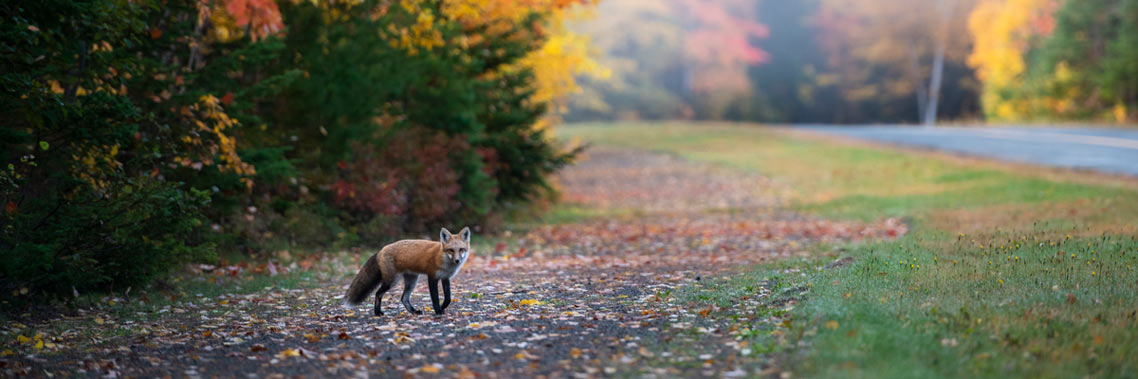
4. Never feed wildlife
Feeding wildlife or leaving food or garbage out destroys wildness which is why it is illegal.
- Do: enjoy watching wildlife from a distance
- Let them graze on nature’s bounty, not human food
- Dispose and put away food and items that retain odours like garbage, cookware, coolers and toiletries
- Don’t: feed wildlife, no matter how ‘hungry’ they look
- It makes them lose their ability to find natural food sources, increases aggressive behaviour, and creates safety and health risks
- Don’t leave coolers, boxes, food and beverage cans out in the open. Wildlife will be able to access it
- Tents and soft-sided campers aren’t bear and wildlife-proof
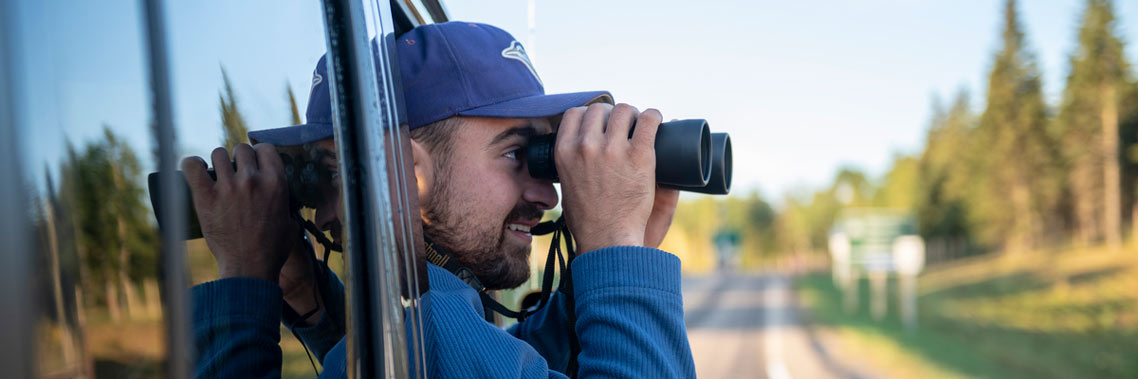
5. Give wildlife the space they need
If you can tell that your presence or actions affect an animal’s behaviour: like making them move, become alert, stare at you, or try to approach - you are disrupting their natural activities and are too close.
- Do: keep the wild in wildlife
- The chance of seeing wildlife is one of the most exciting things about national parks. Treat wild animals with the respect they need and deserve
- Familiarize yourself with these tips to respect wildlife and stay safe
- Don’t: approach wildlife
- They can react defensively as well as gradually lose their natural fear or people
- This creates a dangerous and harmful situation for you, the animal, and other visitors that it encounters
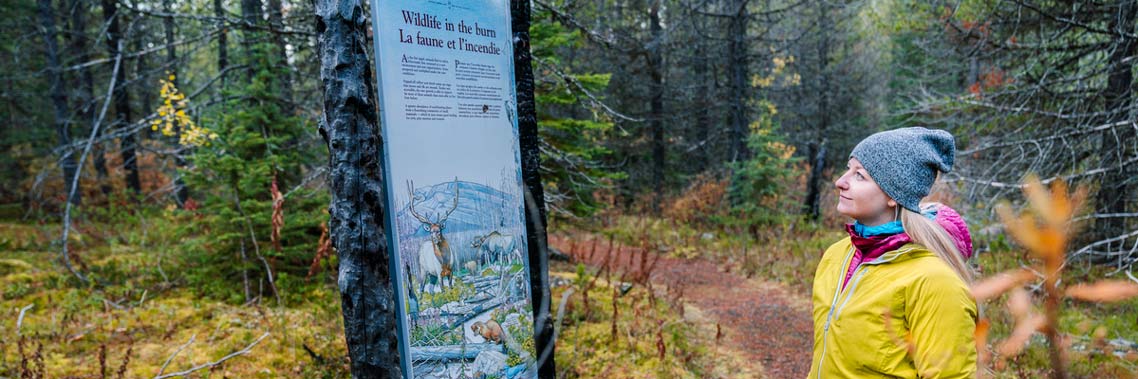
6. Use designated paths
Going off trail can cause soil erosion, trample fragile flora and fauna, or lead to an unwelcome encounter with stinging nettles or poison ivy.
- Do: stay on marked trails
- Only camp in designated areas
- Use roadways and pathways to travel to and from campground facilities (cook shelters, bathrooms, etc.)
- Don’t: cut through neighbouring campsites
- It disturbs other campers, but can also cause damage to vegetation
- Avoid camping outside designated areas, especially near running water, dense brush, and berry patches where encounters with bears and other wildlife are more likely
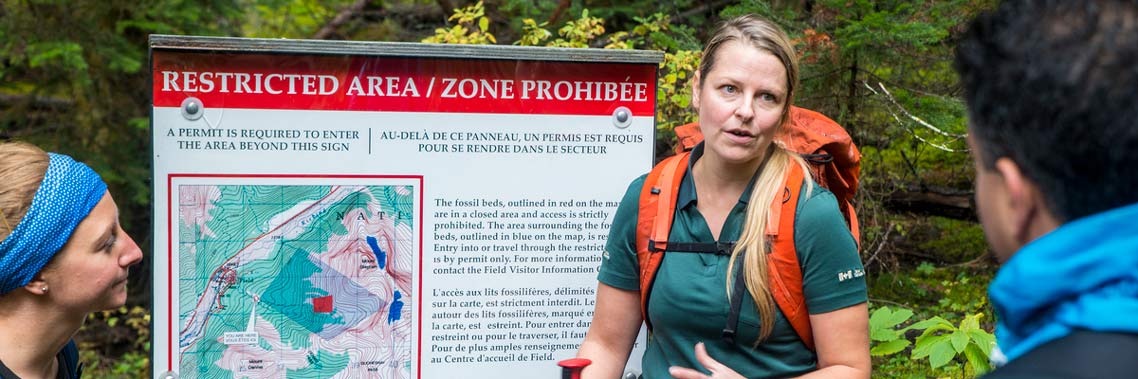
7. Stay out of restricted areas
Areas may be temporarily closed due to fire danger, construction, maintenance, avalanche risks or to reduce human activity in important wildlife corridors, protect sensitive habitats, conduct research, and more.
- Do: know what’s open and closed before you go
- Check the website of the place you will be visiting to avoid disappointment
- Don’t: ignore posted notices
- These area closures, warnings, and restrictions are put in place for your safety, to protect sensitive species, and help maintain natural processes
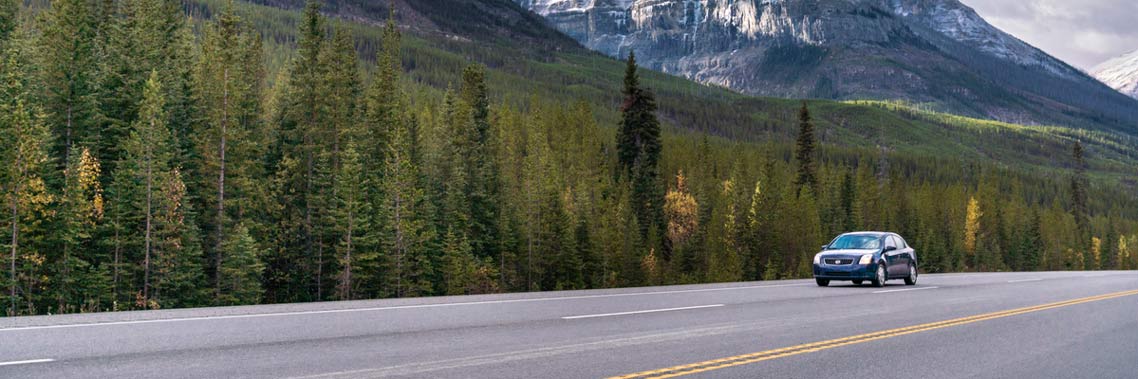
8. Respect speed limits and drive with caution
Roads are the biggest source of human-caused wildlife death in Canada’s national parks. Simply put—speeding kills wildlife!
- Do: slow down to save lives
- Respect the posted speed limits, follow directional signage and remain alert while driving
- Slow down to enjoy some of the most beautiful roads in Canada with these scenic drives at Parks Canada
- Learn how Parks Canada is making roads safer for wildlife
- Don’t: speed around or rev engines needlessly
- Little kids and animals can run out unexpectedly onto roadways very easily
- Don’t pull over alongside the road to get a better view of an animal. It stresses wildlife, can teach animals that vehicles are nothing to be afraid of, and is a visual obstruction for other drivers
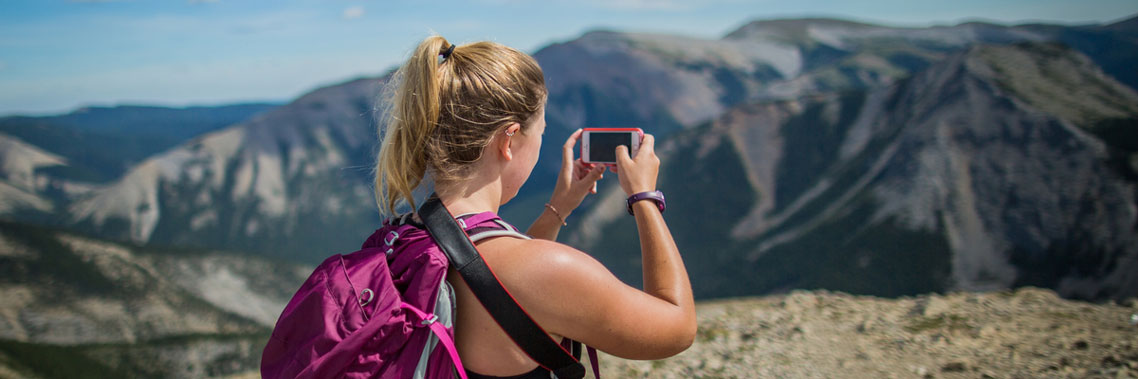
9. Take nothing but photographs
It is illegal to collect plants, mushrooms, berries, animals, animal parts (including antlers), fossils, driftwood, rocks, and other historical or natural objects. Leave with nothing but memories.
- Do: take photos and videos from the safety of solid ground
- No photo is worth your life
- Give wildlife the space they need when taking pictures
- Never attempt a selfie photo with wildlife
- Leave your drone at home. All Parks Canada places are no drone zones without a permit or special permission
- Don’t: collect rocks, shells, flowers, etc. to keep as souvenirs
- It is important to leave natural objects where they are so that others can enjoy them

10. Avoid excessive noise
We receive hundreds of noise complaints in parks and sites across the country each year.
- Do: keep noise to a reasonable volume in campgrounds
- Encourage kids to be respectful of others
- Make peace of mind your main goal and respect other campers’ experience by following designated quiet hours
- Don’t: speak at full volume, yell or play loud music
- Excessive noise in campgrounds is prohibited at any time of day
You may also like
- Date modified :